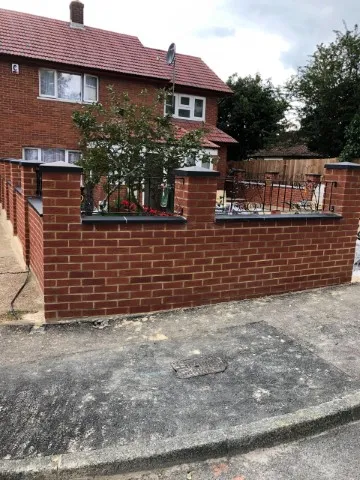
Brick is one of the most durable building materials, but it is not indestructible. In London, exposure to pollution and the freeze-thaw cycle can cause mortar to degrade over time.
The Homeowner's Inspection Checklist
We recommend walking around your property once every season to check for:
- ✓ Cracked or missing mortar joints
- ✓ "Spalling" (flaking brick faces)
- ✓ White powdery residue (Efflorescence)
- ✓ Vertical or diagonal structural cracks
- ✓ Moss or vegetation growth in crevices
- ✓ Damp patches on internal walls
Why Professional Repointing is Essential
The mortar joints are the "sacrificial" part of your wall. They are designed to be softer than the bricks so that moisture evaporates through them. When mortar wears away, it must be replaced - a process called professional repointing.
Ignoring damaged mortar leads to "penetrating damp," which can rot your wooden floor joists and cause expensive internal damage.
The Danger of Incorrect Mortar Selection
Many modern builders use hard cement mortar on older Victorian properties. This is a critical mistake. Traditional London brickwork often requires Lime Mortar, which allows the building to "breathe." Using the wrong material traps moisture and causes bricks to crumble.
Protect Your Structural Integrity
Whether you need a small garden wall repair or a full-scale house extension masonry project, we ensure the right materials are used for your specific property age.
Get a Local Service Quote →Summary: Maintenance Saves Money
A few hundred pounds spent on repointing maintenance today can save you tens of thousands in structural remediation tomorrow. Don't wait for the leak to start-keep your property solid.